
What is Page Speed and How Can It Affect Your Marketing?
Chunked JS files refer to the practice of splitting your JavaScript code into smaller, more manageable pieces—often called “chunks.” This approach, also known as code splitting or bundling, is commonly used in modern web development to optimize page load times and enhance overall site performance. Instead of delivering one massive JavaScript file that can slow down rendering, chunked JS files allow a website to load only the necessary code at any given moment, creating a more seamless user experience.
Five Key Ways to Improve Page Speed in Digital Marketing
Improving page speed requires a multi-faceted approach that combines technical expertise, strategic planning, and continual optimization. Here are five key methods digital marketing agencies use to boost page performance:
Image Optimization
Images often make up the bulk of a webpage’s size. Agencies can compress images without sacrificing quality, use next-gen formats like WebP, and implement lazy loading so images only load when needed. For instance, an online retailer with hundreds of product photos can significantly reduce load times by using image CDNs and compression tools.- Code Minification and Compression
Reducing the size of CSS, JavaScript, and HTML files can improve page speed. Agencies often use tools to remove unnecessary characters, white spaces, and comments in code, and then compress files with Gzip or Brotli. For a service-based website, this can shave off several kilobytes per page, accelerating the load time without compromising functionality.
Server and Hosting Enhancements
Not all servers are created equal. Digital marketing agencies often recommend upgrading hosting solutions to faster alternatives like cloud-based or dedicated servers. They also use content delivery networks (CDNs) to distribute content closer to the user geographically, reducing latency. For example, a national brand can serve users on the West Coast from a nearby data center instead of one on the East Coast.- Reducing Third-Party Scripts
Third-party plugins and scripts—like chatbots, social widgets, and analytics—can slow down page speed dramatically. Agencies conduct audits to evaluate which scripts are essential, which can be delayed (deferred), and which should be removed entirely. A blog with multiple tracking tools might see a major speed increase by streamlining scripts and removing redundancies.
- Caching Strategies
Caching stores parts of a webpage so they don’t have to be reloaded every time. It’s effective to set up browser and server-side caching, which means faster load times for returning visitors. For example, a content-heavy website such as a news site benefits immensely by caching homepage elements and popular articles, speeding up access for frequent readers.
Technical SEO
Tactics Agencies Use to Improve Page Speed
Digital marketing agencies employ a mix of tools and strategies to impact page speed, including:
- Performance Audits: Using tools like Google PageSpeed Insights and GTmetrix to diagnose speed issues.
- Technical SEO Implementation: Applying structured data and improving crawlability without bloating code.
- Mobile Optimization: Designing for mobile-first to ensure performance across devices.
- Headless CMS Integration: Separating frontend and backend to deliver content faster.
- A/B Testing and Monitoring: Regularly testing changes to see how they affect speed and user behavior.
Each of these strategies works together to reduce friction, enhance UX, and improve digital outcomes—from SEO rankings to lead generation.
Why Page Speed Is a Digital Marketing Essential
Page speed is more than a technical metric—it’s a performance lever. Faster websites rank higher in search engines, retain more visitors, and convert better. By optimizing images, compressing code, leveraging better hosting, minimizing third-party scripts, and implementing caching, companies can significantly enhance the speed of their website. For instance, reducing load time from 5 seconds to 2 seconds can increase page views by up to 25% and reduce bounce rates by nearly 40%. With tools like Google Lighthouse and Cloudflare CDN, digital marketing teams continually refine performance. In a world where milliseconds matter, page speed is not optional—it’s foundational to digital success.
Case Studies
32% increase in New Clients, 21% decrease in NC CPB
360 SEO tests. 10 markets. 8 languages. 16 templates. 60% wins.

52-Point Mobile CLS Gain, 21-Point TTFB Gain
Blog Posts
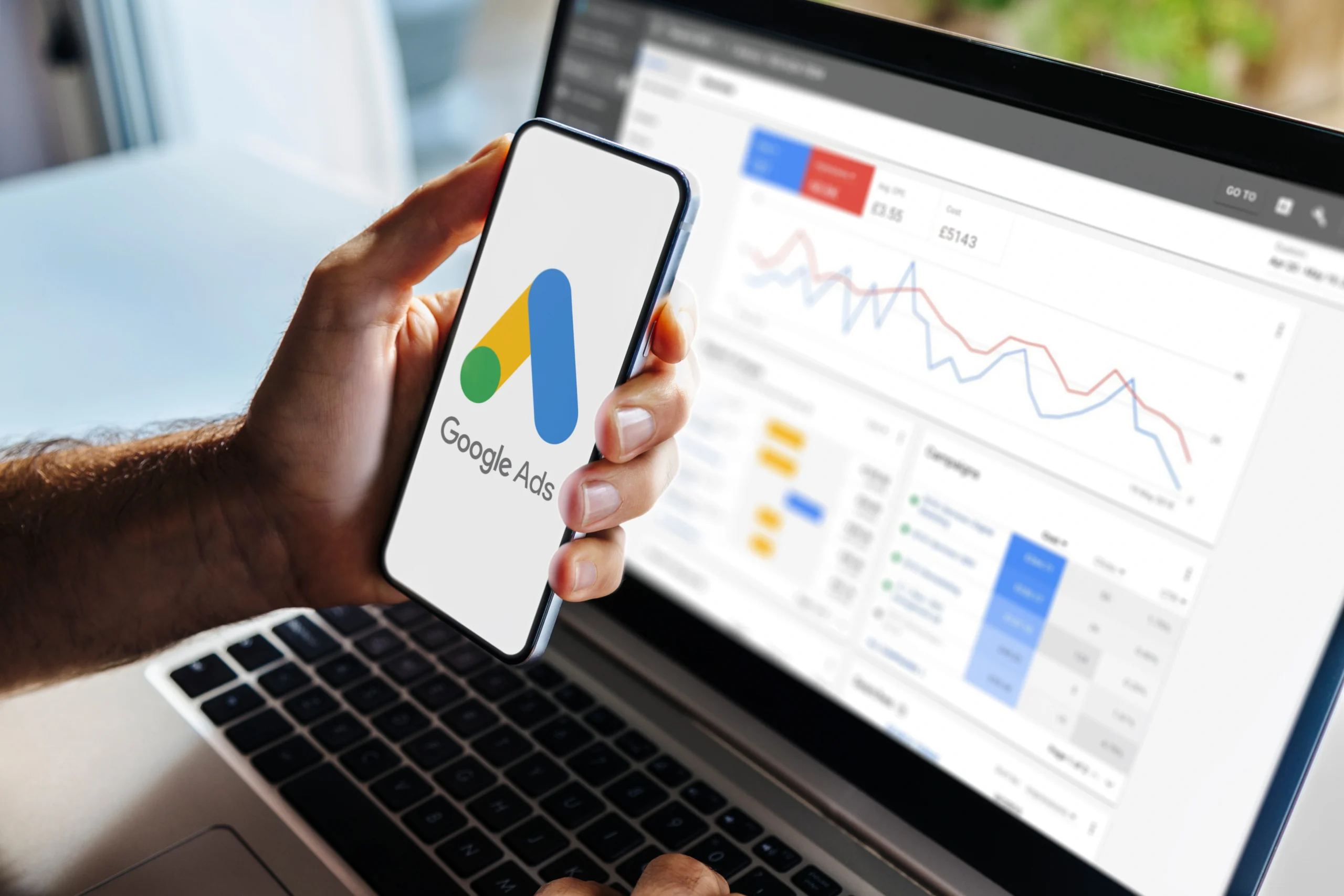
Business Outcomes Vs. Business Outputs: Why Your SEM Agency Needs to Speak Both Languages
If your agency never asked you what success looks like before the campaign went live, you don’t have a partner measuring performance; you have a vendor narrating activity. The work that decides whether a campaign succeeds and translates to real business outcomes has to happen between humans. Here’s what that looks like in practice.

AI Traffic Has Peaked. It’s Also The Wrong Thing To Measure.
AI platforms are seeing massive usage, but send only about 1% of total web traffic. This gap reveals a key detail: success in AI search isn’t about clicks, but visibility, influence, and being part of the consideration set before users ever visit your site. Here’s how to look at AI success.

Google Search Central Live Canada: What you need to know from this event
We attended the Google Search Central Live Canada event, which presented a clear message: search is evolving quickly, but the fundamentals still win. From AI search and content strategy to technical SEO and user-first structure, here’s what to focus on now.