
Off-Page SEO Techniques, Strategies, and Tactics
Related Terms
Off-Page SEO vs. On-Page SEOOff-Page SEO Techniques, Strategies, and Tactics
In digital marketing, off-page SEO is a crucial discipline for those aiming to enhance their website's visibility and authority beyond the confines of their own domain. Off-page SEO involves a wide array of techniques, strategies, and tactics that focus on building a website's reputation and relationship with other online entities.
Key Techniques, Strategies, and Tactics of Off-Page SEO
- Building High-Quality Backlinks:
The cornerstone of off-page SEO, acquiring links from reputable, relevant sites signals to search engines that your content is valuable and trustworthy. - Social Media Engagement:
Active participation and engagement on social media platforms can drive traffic to your website and increase brand visibility. - Guest Blogging:
Contributing high-quality content to other blogs can introduce your brand to a new audience and provide valuable backlinks. - Influencer Outreach:
Collaborating with influencers to promote your content can lead to increased visibility and backlinks. - Content Marketing:
Creating shareable, engaging content that is distributed across various platforms can generate backlinks and social signals. - Local SEO:
For local businesses, strategies such as managing Google My Business listings, and getting reviews on local directories, are crucial off-page activities. - Forum Participation:
Engaging in discussions on forums related to your industry can help establish your expertise and direct traffic to your site. - Brand Mentions:
Encouraging and monitoring mentions of your brand across the web, even without direct links, can improve your site's visibility and authority.
What Off-Page SEO Looks Like in the Real World
What does off-page SEO look like in real-world situations?
If a tech company is launching a new product, they might engage in influencer outreach, securing mentions and reviews on popular tech blogs and social media platforms, thereby gaining valuable backlinks and exposure. Or, a software company may release a free tool or resource that becomes widely shared across social media, getting featured in industry newsletters and generating backlinks to increase brand visibility.
Contests on social media can also work well. For example, an e-commerce site may run a viral social media contest, encouraging participants to share the contest on their social media pages. This increases the site's social signals and can indirectly improve its SEO performance.
Other local entities, such as a local restaurant, could implement local SEO to focus on managing its Google My Business listing. This can encourage satisfied customers to leave positive reviews on local directories to improve its local search visibility.
Another example would be an online retailer that participates in discussions on relevant forums and communities to subtly promote their products, driving traffic back to their site while establishing brand authority. Similarly, a clothing brand could collaborate with a fashion blogger on a guest post, where the blogger writes a piece for the brand's blog, linking back to their own website. This not only drives traffic but also improves the backlink profile of both the blogger and the brand.
The Scope of Off-Page SEO Techniques
Off-page SEO encompasses a variety of strategies aimed at enhancing a website's external reputation and authority. Through techniques like high-quality backlink building, social media engagement, guest blogging, influencer outreach, and content marketing, businesses can signal to search engines the relevance and trustworthiness of their website. Local SEO tactics and active participation in online communities further bolster off-page SEO efforts. By focusing on these external factors, websites can improve their SERP rankings, drive traffic, and enhance their online presence.
Case Studies
32% increase in New Clients, 21% decrease in NC CPB
360 SEO tests. 10 markets. 8 languages. 16 templates. 60% wins.

52-Point Mobile CLS Gain, 21-Point TTFB Gain
Blog Posts
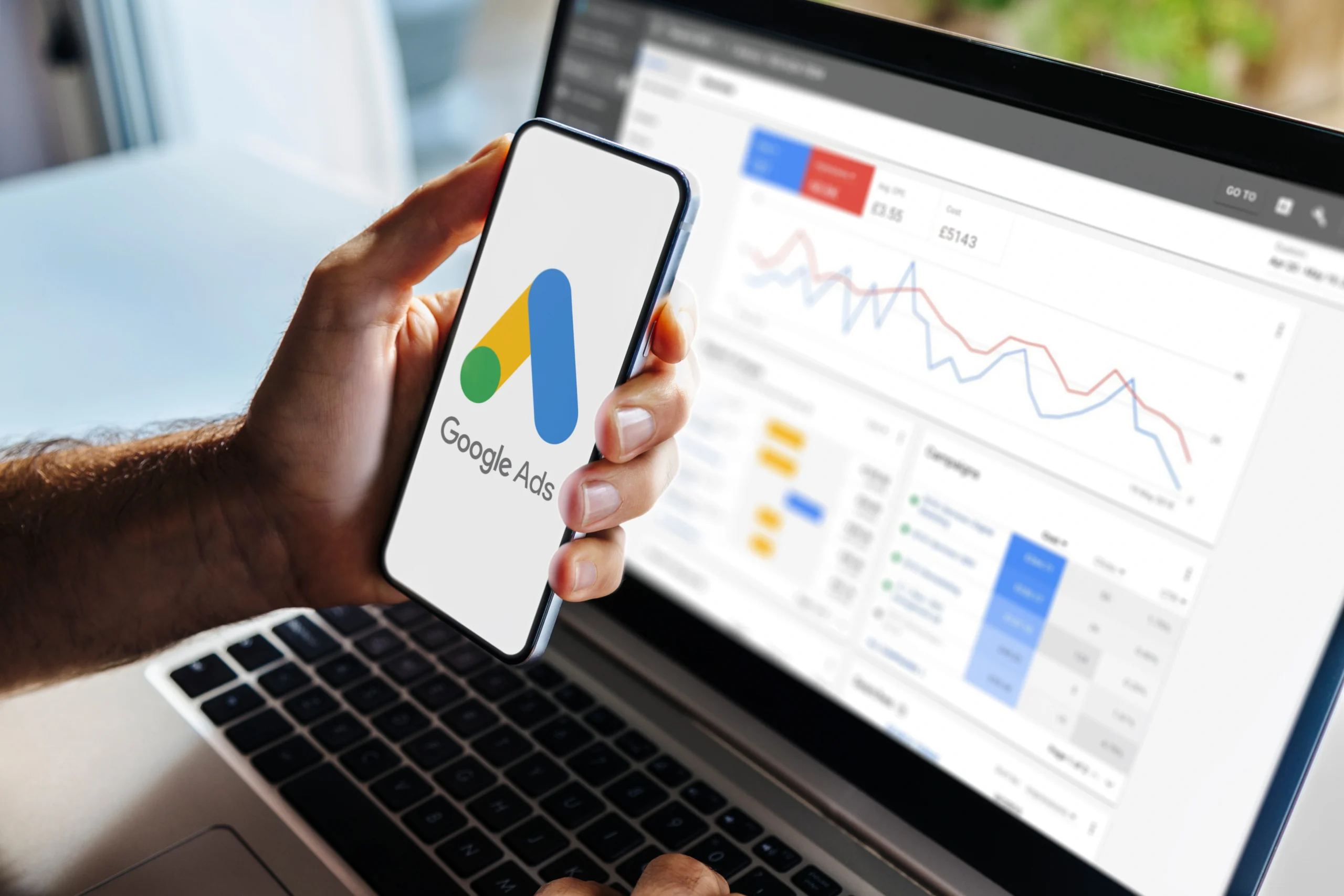
Business Outcomes Vs. Business Outputs: Why Your SEM Agency Needs to Speak Both Languages
If your agency never asked you what success looks like before the campaign went live, you don’t have a partner measuring performance; you have a vendor narrating activity. The work that decides whether a campaign succeeds and translates to real business outcomes has to happen between humans. Here’s what that looks like in practice.

AI Traffic Has Peaked. It’s Also The Wrong Thing To Measure.
AI platforms are seeing massive usage, but send only about 1% of total web traffic. This gap reveals a key detail: success in AI search isn’t about clicks, but visibility, influence, and being part of the consideration set before users ever visit your site. Here’s how to look at AI success.

Google Search Central Live Canada: What you need to know from this event
We attended the Google Search Central Live Canada event, which presented a clear message: search is evolving quickly, but the fundamentals still win. From AI search and content strategy to technical SEO and user-first structure, here’s what to focus on now.